


Ball Run 2048: merge number
4.12.96K Reviews
App Specs
- Version
- 0.9.0
- Updated On
- License
- Free
- Downloads
- 100,000,000+
- Developer
- KAYAC Inc.
- Categories
- Casual
- Platform
- Android, iOS
Screenshots
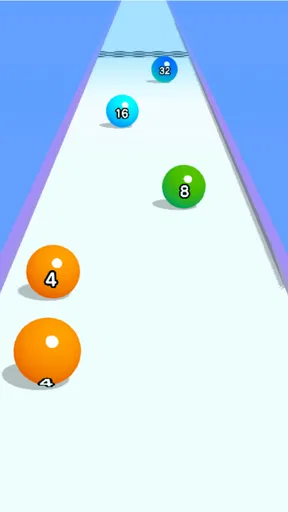
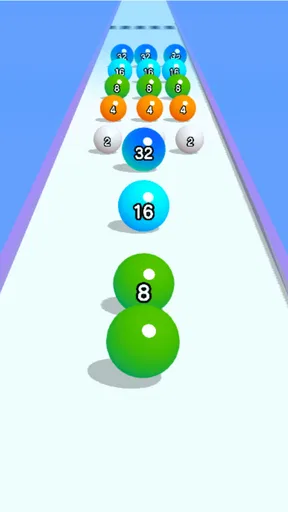
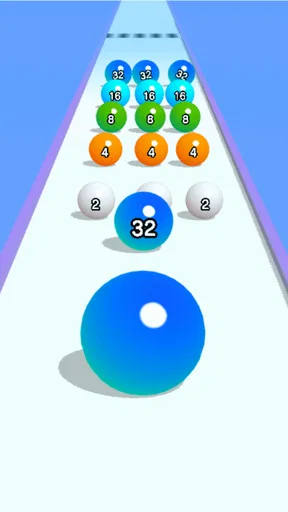
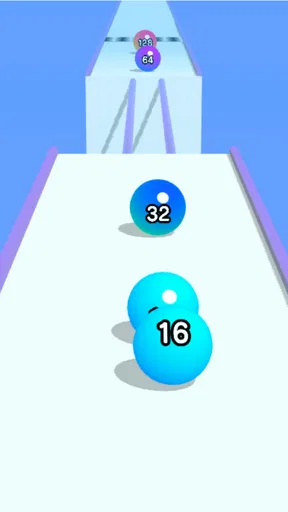
 Analysis by AppCompare
I like games that give me something to think about without asking me to settle in for a long session, and the appeal here is easy to understand: steering a rolling ball is immediately familiar, but matching its number adds a small planning puzzle to the run. Ball Run 2048: merge number is a casual game from KAYAC Inc. built around that combination. In my experience, its defining idea is not simply chasing a large number; it is making quick choices while the path keeps moving.
One run, two kinds of attention
The number-merging idea changes how I approach a runner. I am not only watching where the ball is going; I am also weighing whether the number on it makes a particular route worth taking. That gives each choice a little more meaning than dodging for its own sake. The target of 2048 makes the objective easy to grasp, even if getting there asks for both timing and restraint.
That mix is the game’s most useful quality. A pure number puzzle usually gives me time to compare options, while a conventional runner tends to make movement the whole challenge. Here, I have to make a decision in motion. It suits short bursts of attention, though it also means that someone looking for a calm, turn-based puzzle may find the pace less comfortable.
How the merging changes a run
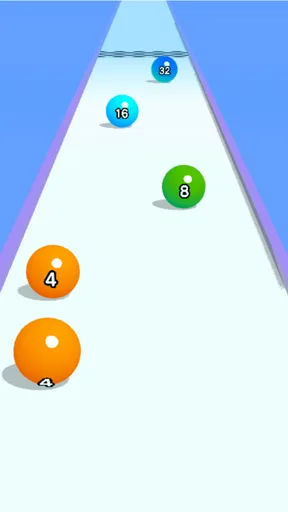
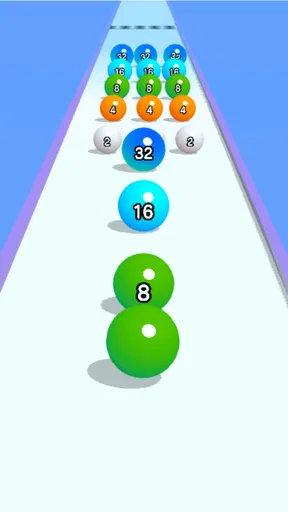
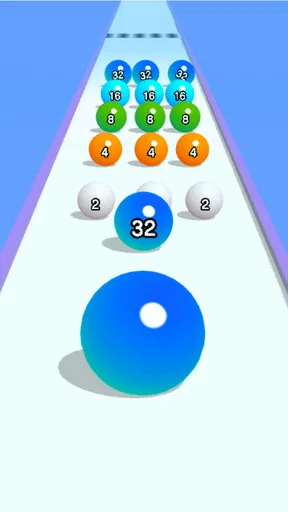
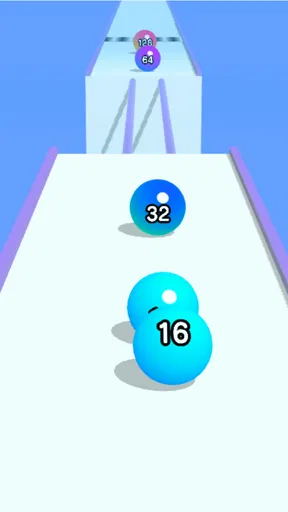
At its core, Ball Run 2048: merge number combines the engaging mechanics of a classic runner with a twist of number merging. The goal is to roll your ball down a winding path, merging it with other numbers to reach the epic number: 2048. Simple, right? Well, not quite! As you roll, you’ll need to carefully navigate obstacles and make strategic decisions about which numbers to merge with.
In practice, I find it helps to look a little farther ahead than the next immediate opening. A route that seems convenient may not be the one that best supports a merge, so I try to treat each movement as a trade-off between staying safe and pursuing the number I want. That is a more useful mindset than swiping reactively at the last moment. It does not remove the reflex challenge, but it gives the number mechanic a real role in how I steer.
There is also a reason not to chase every tempting option. If I focus only on the number, I can lose sight of the path and its hazards; if I focus only on avoiding trouble, I may miss a promising merge. The best runs come from balancing those priorities rather than assuming that one choice is always correct. That balance is a small but satisfying skill to improve, especially when I can see why a run went wrong and make a different decision next time.
What the controls ask of you
From the moment you start, the game throws you into a vibrant world with eye-catching graphics that keep you engaged. The controls are as smooth as butter; just swipe left or right to move your ball. But don’t let the simplicity fool you—there’s a lot more beneath the surface.
Worth Reading Before You Choose

Baby Panda World Brings Quick Play to Modern Phones, but Its Game Library Feels Busy

ESPN’s Live Game View Makes Following Close Games Easier

QuizzLand Review: A Good Fit for Short Trivia Breaks, Not Every Player

Basketball Stars: Multiplayer Is Fast, but Can It Recover When Matches Go Wrong?

WEBTOON Turns Phone Updates Into a Better Reading Routine

Link to Windows Runs on Shared Habits, Not Social Feeds
Simple swipes lower the barrier to entry, but they do not make the decisions automatic. I recommend keeping my attention on the route rather than making a string of last-second corrections. When the path asks for a quick adjustment, a deliberate swipe is easier to judge than several nervous ones. This is a practical habit, not a secret trick: it helps me distinguish a poor route choice from an input made in a panic.
As you progress, the paths become trickier, with more challenging obstacles and a faster pace. It’s a real test of reflexes and strategic thinking. I found myself constantly trying to beat my own high score, and trust me, it’s more addictive than you might think.
The pace also creates a fair limitation. If I am tired, distracted, or trying to play while doing something else, the combination of steering and evaluating numbers can feel less relaxing than the casual label might suggest. It is still easy to understand, but a run works best when I can give the screen a little focused attention. For someone who wants a game to play almost without looking, a slower puzzle would be a better fit.
Where this quick puzzle-runner fits
I find this kind of runner easiest to judge by the decisions it asks me to make, not by how quickly I can swipe. The number target gives each route choice a purpose, so this section looks at how that added layer changes a short play session and what sort of attention it rewards.
A good match for small breaks
A realistic time to play is during a short pause between everyday tasks: I can start a run, concentrate on the route, and stop when I need to return to what I was doing. The appeal is that the core objective is straightforward, so I do not need a long explanation before playing. At the same time, each attempt gives me a concrete question to consider: should I favor the safer movement, or take a chance on a route that could help my number?
That makes it a better choice for a brief, active break than for background entertainment. I would not recommend trying to play while walking or dividing attention with another task; the movement and merging decisions both depend on noticing what is ahead. If I have only a moment and want something truly passive, a simple idle game is more suitable. If I want a quick activity that asks me to react and make small plans, this has a clearer purpose.
It also works for players who enjoy improving through repetition rather than following a story. The motivation is immediate: learn from a missed move, start again, and see whether a different choice gets further. That loop can feel rewarding, but players who need a narrative, a broad set of modes, or a long-term collection goal should look elsewhere. I would choose it for the compact challenge, not for a sense of a large world to explore.
How it compares with familiar alternatives
Compared with a standard endless runner, this game puts more emphasis on the number carried by the ball. I cannot treat the route as only an obstacle course; the merge goal gives me a reason to think about what I collect and where I move. Compared with a conventional number puzzle, it asks for faster reactions and offers less time to weigh every option. That distinction is useful when deciding what mood I am in: this is for active, quick choices, not careful board-game-style calculation.
The trade-off is that the two ingredients may not satisfy people who want the full depth of either genre. A dedicated puzzle is a better pick if I want to analyze a board at my own pace, while a more movement-focused runner may suit me better if I care primarily about reflexes. The merging is the point here, and it is most enjoyable when I like switching between those two kinds of attention rather than specializing in just one.
For younger players, the number-based objective is easy to explain, but the store age rating is Teen, so I would check that rating before handing the game to a child. It is free to play, which makes trying the basic idea low-commitment, but I would still approach it as a game for short sessions rather than assume that free means it will match every player’s preferences.
Presentation, fit, and practical details
The visual aesthetics of Ball Run 2048: merge number are bright and engaging, with a clean interface that doesn’t distract from the gameplay. The colors pop, making each run feel fresh and exciting. And let’s not forget the soundtrack; it’s upbeat and perfectly complements the fast-paced action, adding to the overall immersive experience.
I see the bright presentation as a practical help as well as a style choice: the important action is easier to follow when the screen is not visually cluttered. Still, a lively look and energetic sound will not be everyone’s preference. If I want a quiet, understated experience, this presentation may feel too lively for the moment. The game’s straightforward visual language suits its quick decisions, but it is not the reason I would choose it over a slower puzzle.
KAYAC Inc. is the developer, and the game has a 4.2 average from around 250,000 ratings, with over 100 million installs. Those figures suggest that its basic concept has reached a broad audience, but popularity cannot tell me whether I will enjoy the pace. The more useful test is whether I like combining number choices with movement. It runs on Android 6.0 or later, and version 0.8.7 is the current version.
One question I would ask before installing is whether I want quick action or a quiet puzzle. The answer matters more than the simple premise: the game asks me to steer while thinking about merges, so it is not the best match for someone who dislikes time pressure. Another practical consideration is how I plan to play. If I can focus on the screen for a short spell, the controls and objective are easy to approach; if I need something that can safely fade into the background, I would pick a less demanding option.
Who gets the most from it
If you’re a fan of number puzzles and endless runners, this game is a match made in heaven. It cleverly merges the two in a way that's refreshing and satisfying. Plus, the challenge of reaching 2048 keeps you coming back for more.
I think it is particularly well suited to players who like learning a small system through repeated attempts. You do not need to be an expert at number puzzles to understand why merges matter, but enjoying the arithmetic goal helps make the movement feel purposeful. Someone who likes judging routes and adjusting after a mistake is likely to get more from it than someone who wants a passive game that plays itself.
On the other hand, I would skip it if I mainly want a deep puzzle with generous thinking time, a story-led game, or a runner where reflexes alone define success. The blend is distinctive, but that also narrows its appeal: the player has to enjoy both steering and number decisions. If one half sounds like a chore, a game focused on the other half will probably be a better use of a break.
So, whether you’re looking to kill some time or challenge your brain, Ball Run 2048: merge number offers a delightful mix of both. It’s one of those games that’s easy to pick up but hard to put down. Give it a try, and you might just find yourself saying, "Just one more run!"
My recommendation is to try it when I have a few focused minutes and want an uncomplicated goal with a little tactical tension. I like that the number target changes how I think about a run, rather than serving as decoration on a standard course. Its main drawback is the same feature that gives it character: movement and merging compete for attention, so it is not always relaxing. If that sounds appealing, this free casual game is an easy one to sample; if not, a dedicated puzzle or a less demanding runner is the more sensible choice.
Pros
- Engaging gameplay with simple controls.
- Bright
- colorful graphics enhance experience.
- Levels offer increasing challenges.
- Smooth performance with minimal lag.
- Free to play with optional in-app purchases.
Cons
- Ads can be frequent and intrusive.
- Limited offline functionality.
- Some levels feel repetitive.
- In-app purchases can be pricey.
- Lacks a multiplayer mode.
FAQs for Ball Run 2048: merge number
What is the main objective of Ball Run 2048: Merge Number?
The primary goal of Ball Run 2048: Merge Number is to navigate a rolling ball through various obstacles while merging numbered balls to reach the highest possible number. As you progress, the challenge increases, requiring strategic thinking and quick reflexes to merge numbers and avoid pitfalls.
Is Ball Run 2048: Merge Number suitable for all age groups?
Yes, Ball Run 2048: Merge Number is designed to be family-friendly and suitable for players of all ages. The game’s intuitive controls and colorful graphics make it appealing to both younger audiences and adults looking for a casual yet engaging puzzle experience.
How does the merging mechanic work in the game?
In Ball Run 2048: Merge Number, you control a ball with a specific number. The objective is to roll it into other balls with the same number to merge them, doubling the number. This mechanic is reminiscent of the classic 2048 puzzle game, requiring players to plan their moves strategically to achieve high scores.
Are there in-app purchases in Ball Run 2048: Merge Number?
Yes, Ball Run 2048: Merge Number offers in-app purchases. Players can buy power-ups, additional lives, or cosmetic items to enhance their gaming experience. While these purchases can provide advantages, they are not necessary to enjoy or complete the game, preserving a fair play environment.
Does the game require an internet connection to play?
No, Ball Run 2048: Merge Number can be played offline, making it a great option for on-the-go gaming without an internet connection. However, certain features like leaderboards or in-app purchases may require connectivity to function properly.


